[ 指定コメント (No.1466) の関連スレッドを表示しています。 ]
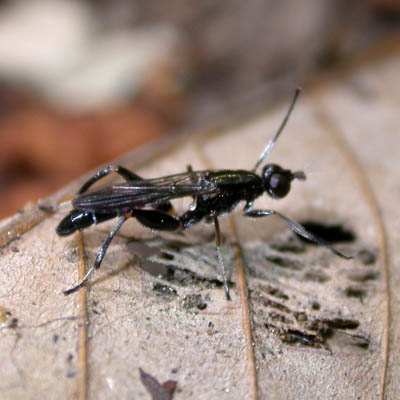 Is this Micropezidae or Megamerinidae Is this Micropezidae or MegamerinidaeThere is a very similar if not identical fly identified as Texara compressa here http://moth2001.hp.infoseek.co.jp/5-51.html 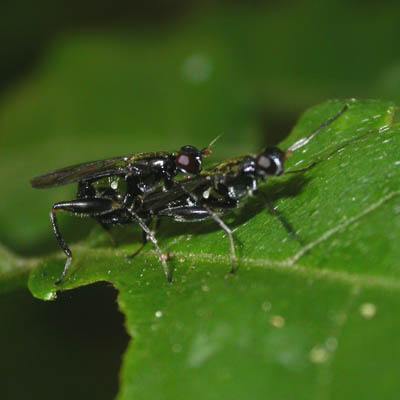 This fly is the same species, but these pictures are from a different location. Again this fly was relatively common in the low hills but only for a week or so. This fly is the same species, but these pictures are from a different location. Again this fly was relatively common in the low hills but only for a week or so.(I saw it in Kasugayama and Wazuka around mountain streams) 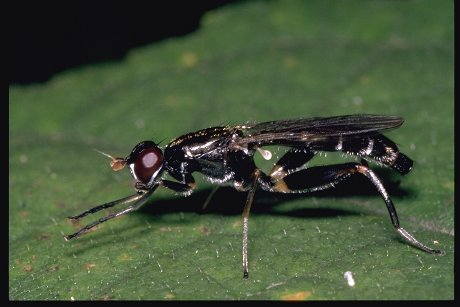 I think it is Megamerinidae species. I think it is Megamerinidae species.Your picture is near M.compressa.This species is common in KANTOU area. And I here that some Megamerinidae species are living in japan.
Yes, probably it will be Texara compressa than. I am happy to see a fly in this family, because this is one of the smallest Diptera families in the world, with maybe 10 species or so.
|
- Joyful Note -
- Antispam Version -